your updated companion
Travel Guide
Everything you need to know ahead of your trip to the Park. Weather, what to pack, and what to drive - from seasoned Krugerholics.
When to visit
The Park is a year-round destination, but each season offers a very different experience. Knowing what to expect can help you plan the kind of trip that you want.
dry season (may – october)
This is peak safari season. Vegetation thins out, water sources dry up, and animals congregate around rivers and waterholes, making sightings easier. Days are warm and sunny, while nights can be cold (especially June/July in the north). Expect crowds, particularly during South African school holidays. Malaria risk is lower during the colder season, but precaution is still required.
wet season (november – april)
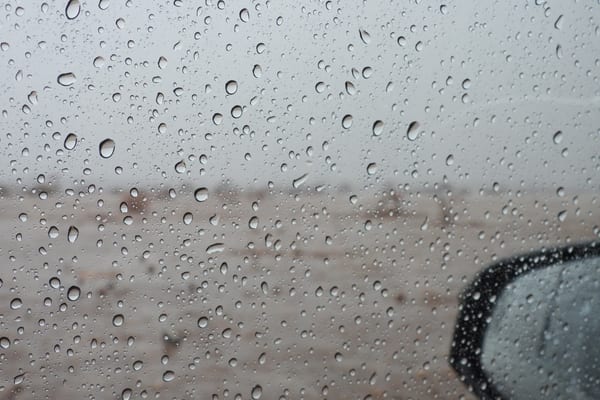
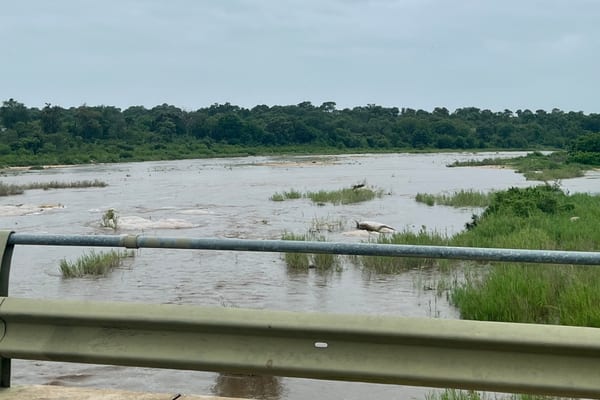
Summer brings dramatic afternoon thunderstorms, lush green landscapes, and an explosion of birdlife - including thousands of migratory species. Calving season means plenty of babies and high predator action. Game can be harder to spot through thick bush, but the park feels alive in a different way. It's important to note that malaria risk is higher during these months.
south african school holidays
SANParks camps fill up fast during the South African school holidays. Book as far in advance as possible - ideally the moment bookings open (up to 11 months ahead for South African residents, 6 months for international visitors). The busiest periods are the March/April Easter period, June/July winter break, the September/October spring break, and the December/January summer holidays.
peak times to know
- June - August: dry, cool, excellent game viewing - most popular overall.
- December - January: summer holidays, hot, green, great for families. Be cautious of heavy rains and malaria.
- September - October: spring break, warm, good game viewing before the rains.
- March - April: lush, excellent birding, and increased crowds due to the Easter school holidays.
Malaria: let's address the mozzie in the room
Yes, the Park is a malaria area, from North to South. But don't let that put you off! With the right precautions, millions of people safely visit this paradise every year. Here's what you need to know -
Malaria risk is highest during the wet, rainy season (+/- October - April) when mosquitoes are most active. The dry winter months (May - September) carry a lower risk, but the Park is never entirely malaria-free. It's always better to exercise caution.
how to protect yourself
medication
Consult your doctor or travel clinic at least 4–6 weeks before your trip to discuss antimalarial medication options.
insect repellent
Apply a DEET-based insect repellent to exposed skin, especially at dawn and dusk when mosquitoes are most active.
cover up
Wear long sleeves and long trousers in the evenings - light colours are best, and also cooler.
sleep protected
Sleep in screened or air-conditioned accommodation, and use a mosquito net if your room isn't fully enclosed.
in your room
Burn mosquito coils or use a plug-in repellent device in your room at night - please burn responsibly.
💡 if you develop flu-like symptoms - fever, chills, headache, or muscle aches - within a few weeks of returning from the Park, see a doctor immediately and mention that you visited a malaria area. Early treatment is highly effective.*
*This is general travel information only. Always consult a qualified medical professional for personalised advice before travelling to a malaria area.
Wild Card: is it worth it?
SANParks Wild Card is an annual pass that gives you unlimited entry to all SANParks parks and reserves across South Africa (and some in neighbouring countries). For frequent visitors, it pays for itself quickly.
south african residents
Residents pay a significantly reduced rate for the Wild Card. If you're planning more than two or three visits to the Park (or any other SANParks reserve) in a year, the card almost certainly makes financial sense. It also covers your conservation levy, which is charged per person per night at all camps.
international visitors
International visitors can also purchase a Wild Card, for similar benefits. It's worth calculating based on your planned number of park entries and nights, and how often you plan to visit South Africa over 12 months. For a longer trip covering multiple parks, it can represent excellent value.
Wild Cards can be purchased online via the SANParks website, at any SANParks reception, or at the gate on arrival. Keep your card (or digital version) accessible as you will need it at every entry gate.
Get ready: what to pack
Packing smart makes a huge difference to your comfort in the bush, especially in the summer months. The Park's climate varies significantly between summer and winter. Here are our tried and tested essentials -
hot & humid
summer (october - april)
Lightweight, breathable clothing in neutral colours (khaki, olive, beige).
Wide-brimmed hat and UV-protective sunglasses.
High-SPF, waterproof sunscreen that can be reapplied often.
Strong DEET insect repellent (50%+ for malaria areas).
Light rain jacket or poncho for afternoon thunderstorms.
Sandals for camp, closed shoes for game drives, and slip slops for showers.
Reusable water bottle — stay hydrated in the heat
Antimalarial medication (prescribed by your doctor).
warm days, cold nights
winter (may - september)
Warm fleece or down jacket - mornings and evenings can be bitterly cold.
Thermal base layers for early morning, and evening, game drives.
Beanie and gloves for open-vehicle safaris. Add a scarf and thick socks for good measure.
Neutral-coloured layers you can add or remove throughout the day.
Comfortable walking shoes or boots.
Sunscreen - the winter sun is still strong in South Africa.
Binoculars and camera - essential for game viewing year-round.
A torch or headlamp - camps can be very dark at night and power cuts do happen
always bring
- Binoculars (7x50 or 10x42 are ideal).
- A good bird/field guide - Roberts Birds is a classic.
- A camera with a zoom lens (200mm minimum; 400mm+ for serious wildlife photography).
- Power bank & local plugs - charging points in camps can be limited.
- Cash & card - most camps have shops and restaurants, but connectivity can be patchy.
- A torch or headlamp for navigating camp after dark.
- Your SANParks booking confirmation and ID/passport.
Getting there: car rental & flying in
Most visitors to the Park arrive by road, either driving from Johannesburg or flying into one of the regional airports. Here's a breakdown of your options -
OR Tambo International (Johannesburg)
approx. 4–5 hours to the southern gatesThe most common arrival point for international visitors. All major car rental companies operate from OR Tambo. From Johannesburg, you'll typically head east on the N4 towards Nelspruit (Mbombela) and enter via Malelane or Crocodile Bridge gates for the south, or continue north for Numbi, Phabeni, or Paul Kruger gates.
Kruger Mpumalanga International (Nelspruit / Mbombela)
approx. 1–2 hours to the southern gatesA convenient option for those wanting to minimise driving. Several domestic airlines fly from Johannesburg and Cape Town. Car rental is available at the airport. This is a great choice if you're short on time or prefer a shorter drive.
Hoedspruit Eastgate Airport
approx. 45 min to Orpen gate (central Kruger)A small regional airport serving the greater, central Kruger area. Ideal if you're staying at camps like Satara, Orpen, or Letaba. There are fewer car rental options, so be sure to book well in advance. The drive to the park is scenic and straightforward through the renowned, private reserves of the lowvled.
Skukuza Airport
inside the park - direct accessSkukuza Airport sits inside the Park itself, making it the most convenient option for those staying at or near Skukuza rest camp. Charter and scheduled flights operate from Johannesburg and other hubs. It's a premium option - often more convenient for international visitors - but arriving directly inside the park is a uniquely special experience.
driving in the Park: what to know
- Speed limit inside the park is 50 km/h on tar roads and 40 km/h on dirt roads - this strictly enforced.
- You must be in camp by the respective gates' closing time - no exceptions. Check your camp's specific closing time.
- Never get out of your vehicle except at designated rest camps, picnic spots, and lookout points.
- A standard sedan is perfectly adequate for most of Kruger's tar roads. A 4x4 is only necessary for specific dirt roads or if you're venturing into wilderness areas, by arrangement only.
- Fill up with fuel at every opportunity - all major rest camps have fuel stations, but shortages do occur.
Equipped vehicle rentals: DIY safari
Are you keen to experience the Park in the most authentic way? Several specialist operators offer fully equipped 4x4 vehicles - everything from rooftop tents and bedding to cooking equipment and camp chairs.
what's typically included
- Rooftop tent or ground tent with bedding and pillows.
- Camp kitchen: gas stove, pots, pans, utensils, plates, mugs.
- Fridge/freezer (12V compressor fridge).
- Camp chairs and table.
- Awning or shade canopy.
- Recovery gear and a spare tyre.
- Detailed maps and sometimes a GPS unit.
operators to look at
Several well-regarded operators specialise in equipped 4x4 rentals for the Park, and Southern Africa exploration. Look for companies that are based in Johannesburg or Nelspruit for the most convenient collection points. Always compare inclusions, vehicle condition, insurance options, and support policies before booking. It's important to ensure that your driver's license is up to date, and valid in South Africa.
Routes into the Park
The Park has nine entrance gates, spread across its western and southern borders. The camp you choose determines where you enter, and which part of the park you explore first, and each region has its own character.
🌿malelane gate
southvia N4 from Johannesburg / Nelspruit
🌿crocodile bridge gate
southvia Komatipoort, off the N4
🌿numbi gate
southvia White River / Hazyview
🌿phabeni gate
southvia Hazyview
🌿paul kruger gate
south / centralvia Hazyview, R536
🌿orpen gate
centralvia Hoedspruit / Klaserie
🌿phalaborwa gate
central / northvia Phalaborwa town
🌿punda maria gate
far northvia Thohoyandou / Louis Trichardt