1
H3Afsaal
A beloved southern landmark nestled in the mixed bushveld between Malelane Gate and Berg-en-Dal.
🍳skottel rental🥤kiosk / tuckshop🍽restaurant🚻ablutions

the park
Spanning nearly two million hectares of untamed wilderness in the northeastern corner of South Africa, the Kruger National Park is one of the world's greatest wildlife sanctuaries. Larger than the country of Wales or the state of Connecticut, this vast, wild expanse is a place where nature still dictates the rhythms of life.
Whether you are charting a route for a fortnight's self-drive trip or driving through the gates for a day in the bush, here is your essential introduction to the park.
Long before it became a world-renowned reserve, this ancient landscape was home to early human tribes, Stone Age hunter-gatherers, and thriving Iron Age trading settlements. Archaeological treasures - such as the 13th-century gold and trade goods unearthed at Thulamela in the far north, and the thousands of San rock art sites hidden across southern granite koppies - remind us that humanity and the lowveld have always been intertwined.
The modern conservation story began in the late 19th century. In 1898, President Paul Kruger recognised that unchecked hunting was decimating native game populations and proclaimed the Government Wildlife Park (later the Sabie Game Reserve). Under the relentless stewardship of its first warden, James Stevenson-Hamilton - affectionately called 'Skukuza' by locals, meaning "the man who turns everything upside down" - the reserve expanded.
In 1926, the Sabie and Shingwedzi Reserves were officially merged and together, this piece of paradise was christened the Kruger National Park. The park opened to public tourists the following year, forever securing this wild stretch of South Africa for future generations.
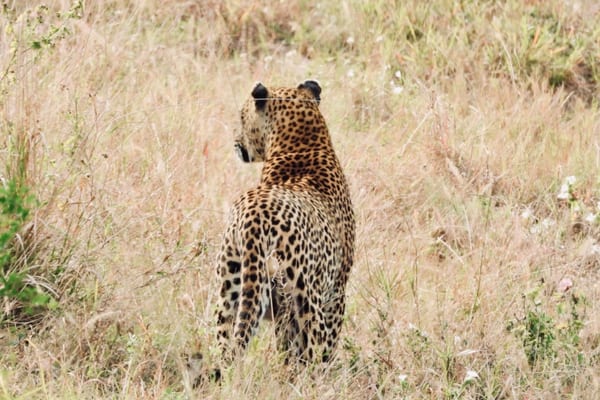
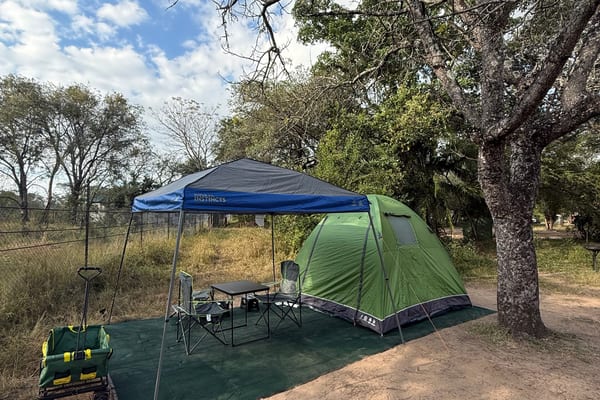
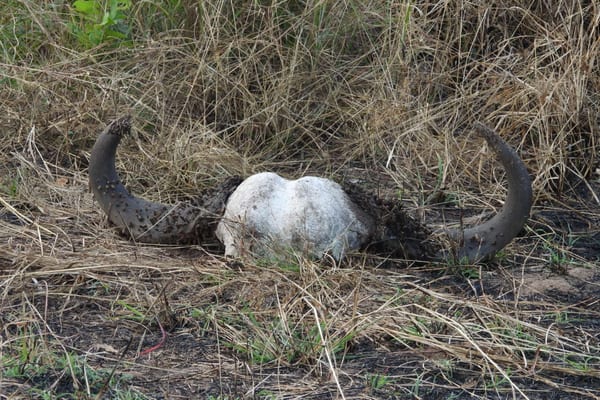
The Park's sheer scale spans six distinct ecosystems, creating a breathtaking canvas of biodiversity that shifts as you travel from the granite hills of the south to the vast plains of the north.
Home to roughly 147 mammal species, including thriving populations of the iconic Big Five (lion, leopard, elephant, buffalo, and rhino). Beyond the heavyweights, it is a vital refuge for endangered African wild dogs, cheetahs, regal greater kudu, and playful packs of dwarf mongooses.
With more than 500 recorded bird species, the park is a premier global birding destination. From the vivid plumage of the lilac-breasted roller and the unmistakable call of the African fish eagle to the coveted "Birding Big Six" - lappet-faced vulture, martial eagle, saddle-billed stork, kori bustard, ground hornbill, and Pel's fishing owl - the canopy is always alive.
The park is divided into distinct botanical zones. The south and central regions boast rich riverine forests of sycamore figs and weeping boer-beans, transitioning into dense knob-thorn and marula savanna. Cross north of the Olifants River, and you enter the vast, ancient realms of the mopane shrubveld, crowned by the prehistoric baobabs of the far north.
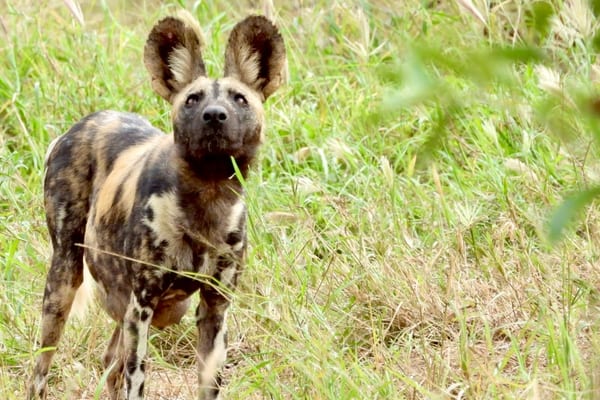
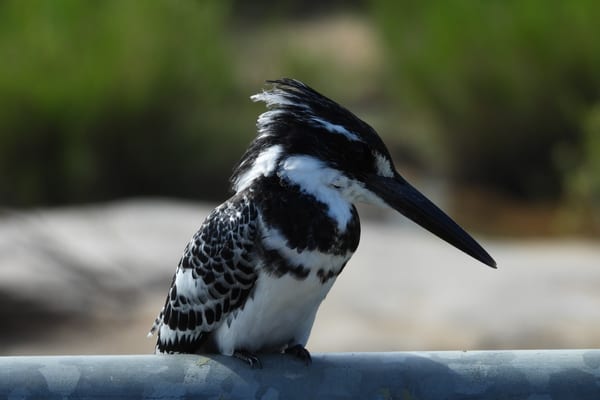
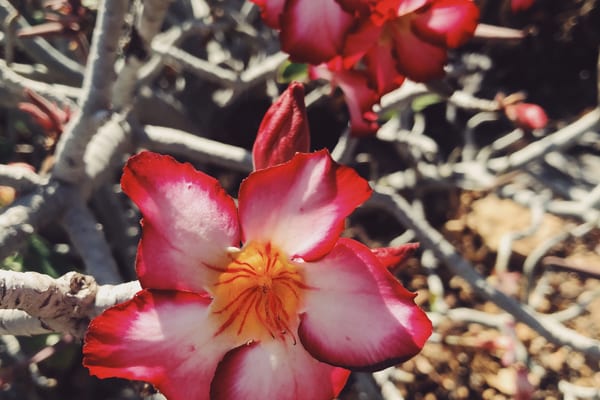
While watching the bush unfold from the safety of your car is the heartbeat of a Kruger trip, the Park offers countless immersive ways to experience the wild.
Led by experienced park rangers in open 4x4 safari vehicles, these drives allow you to see above the roadside brush and explore during twilight and nighttime hours when predators are at their most active.
Step outside the fences accompanied by armed guides. On foot, your senses sharpen - you will learn to track footprints in the dust, identify medicinal plants, and appreciate the complex ecology beneath your feet.
For the true adventurer, rustic base camps scattered in remote wilderness zones offer guided, multi-day walking safaris that are cut off from general tourist roads and digital distractions.
Slow down between drives, and settle into waterhole lookouts, visit camp swimming pools, or spend an unhurried hour in shaded hides like Lake Panic or Sweni, watching hippos sun themselves while kingfishers hover overhead.
You don't need a week in a bungalow to feel the magic of the Park. A well-planned day trip offers an unforgettable taste of the lowveld.
Day visitors enter through any of the park's ten entrance gates (from Malelane and Crocodile Bridge in the south to Punda Maria in the north). Daily visitor quotas are strictly enforced during school holidays and long weekends. We always recommend pre-booking a day visitor time slot via the SANParks website to guarantee entry during peak seasons.
Few rituals rival a mid-morning stop at one of the Park's dedicated picnic sites. Scattered along major game-viewing arteries, these unfenced oases offer shaded lapas, clean ablutions, boiling water for tea and coffee, and the quintessential bush ritual: hiring a gas skottel braai to sizzle bacon, eggs, and roosterkoek under the trees. Beware the monkeys!
facility icons
A beloved southern landmark nestled in the mixed bushveld between Malelane Gate and Berg-en-Dal.
Directly hugging the lush, riverine banks of the Sabie River between Skukuza and Lower Sabie.
A quieter, elevated gem perched high above the reed beds of the Mlondozi Dam along the S29 loop.
Shaded and historical, located near the Phabeni entrance.
A bustling bush intersection in the prime cat territory between Skukuza and Satara.
A remote, tranquil escape tucked away along the gravel S36 road southwest of Satara.
Positioned right near the eastern border along the Lebombo mountain ridge, east of Satara.
Beautifully positioned along the seasonal sandy stretches of the Timbavati River on the scenic S39 route.
A cultural and archaeological haven tucked into a rocky hill between Phalaborwa and Mopani.
A remote picnic spot situated along the mopane plains east of Mopani camp on the H14 gravel road.
Situated just north of Mopani camp, overlooking the sweeping grasslands and waterhole of the Mooiplaas plains.
An oasis in the deep north, located on the long stretch of road between Shingwedzi and Punda Maria.
Do not get out of your car unless you're in an area where signs confirm it is safe to do so.
Do not exceed the speed limits. Not only is this dangerous, but it can also result in a fine.
Do not litter. Keep your empty packets, bottles, coffee cups and cigarette butts in the car.
Do not drive off of the road to view animals in the bush. Keep your wheels on the gravel or tar.
Do not park your car at busy sightings. Give other visitors the chance to enjoy it too.
Keep the noise levels down. Avoid playing loud music, screaming or shouting.